Climate, Society and Environmental Change in Greenland
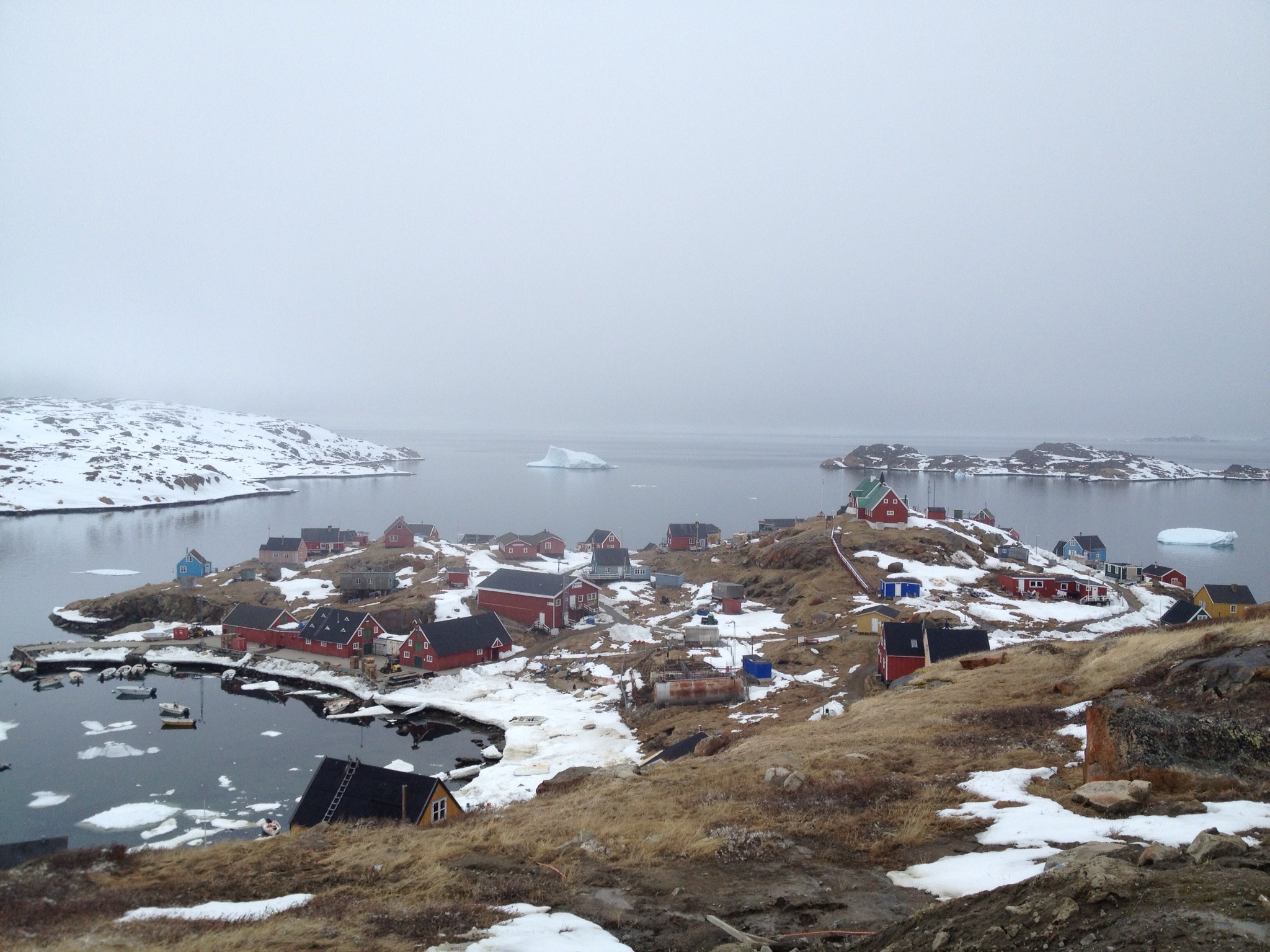
I have conducted long-term ethnographic and interdisciplinary research in Greenland, working at multiple scales, from coastal communities to national policy arenas and international scientific programmes. My research in Greenland has examined the social and environmental dimensions of climate change, the politics of resource extraction, and the ways Arctic environments are produced as objects of knowledge, governance, and intervention. I am interested in how Greenland’s ice, coastlines, seas, and subsurface environments are shaped by intersecting local, national, and global forces. A central focus on my research has been Northwest Greenland, where I have worked closely with hunters and fishers to understand how they experience climate change. I have also worked in South and East Greenland, and in Nuuk.
Subsurface Resources, Extraction, and Arctic Futures
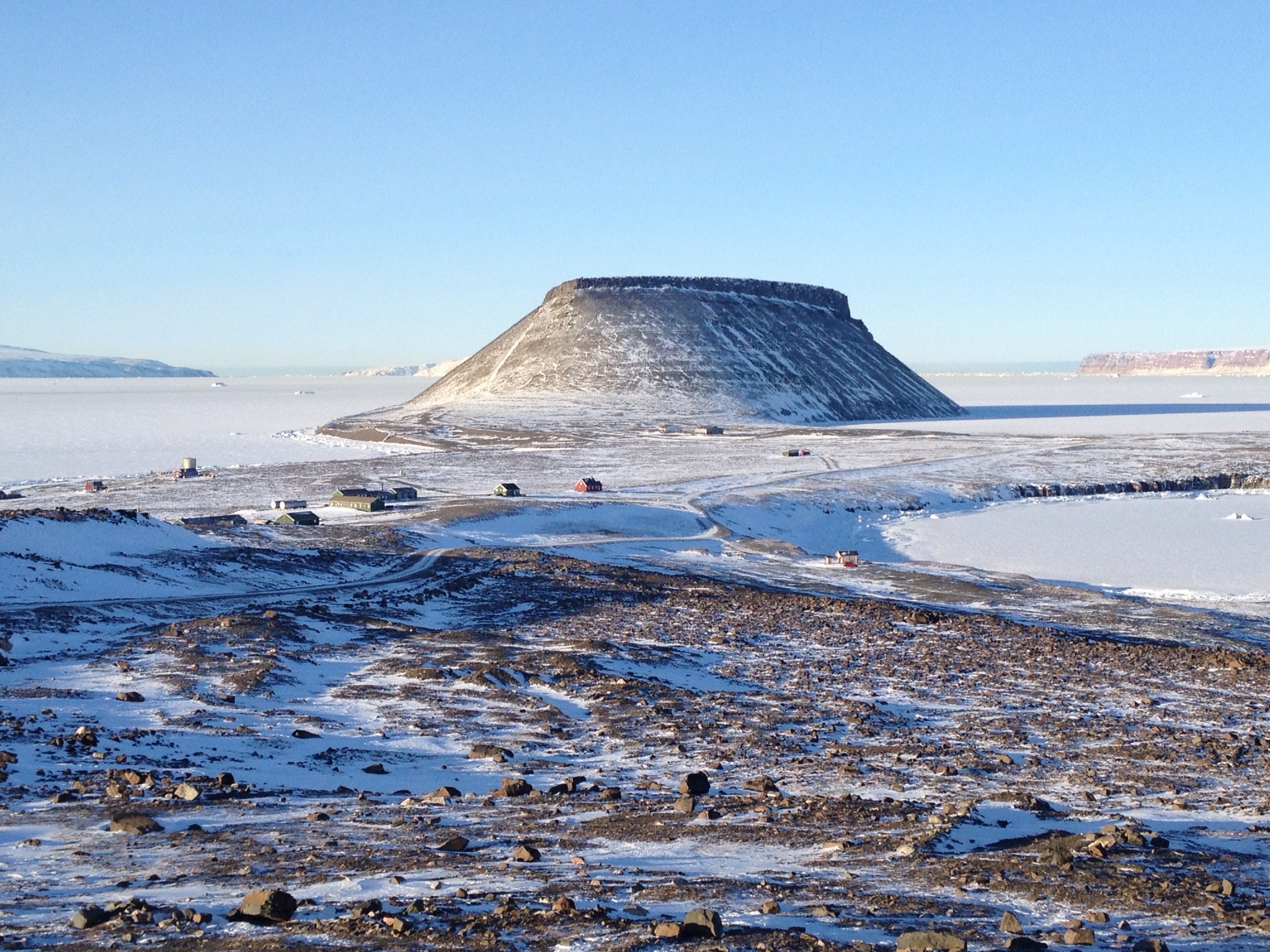
A central strand of my research examines the histories, politics, and futures of extractive industries in the circumpolar North. This work has addressed oil and gas development, mining, and pipeline infrastructures, and the ways the Arctic has been imagined as a resource frontier.
Much of my work in this area also focuses on Greenland, analysing how scientific investigation, geological mapping, and economic assessment have produced speculative knowledge of subterranean resource wealth. I am interested in how these processes are entangled with nation-building, sovereignty, and geo-security. I examine how Greenland’s subsurface has been made visible and governable through practices of probing, mapping, and extraction, while remaining socially and politically contested.
Decarbonisation, CCUS, and the Seabed
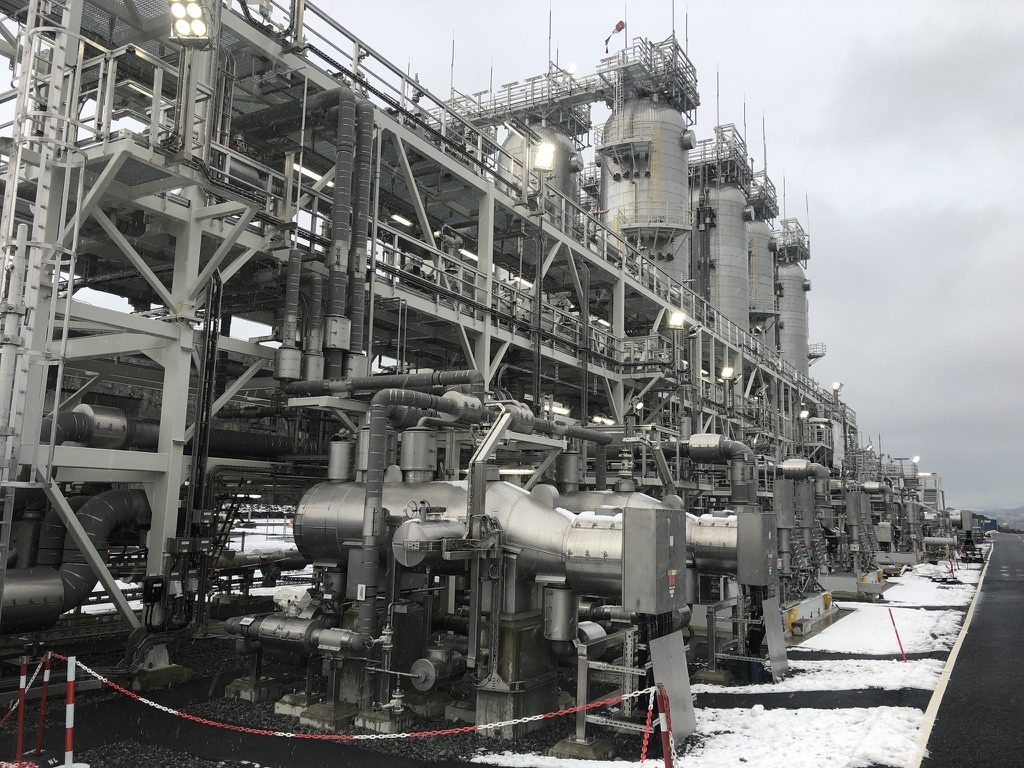
My current research extends to an interest in the infrastructures of net-zero transition, with a focus on carbon capture, utilisation and storage (CCUS), hydrogen, and the governance of the seabed. I examine how the underground and subsea are being reimagined as spaces for solutions to the climate crisis.
Key case studies include industrial decarbonisation projects in the UK and Norway, which propose to transport captured carbon dioxide via pipelines to offshore storage in depleted hydrocarbon reservoirs. My research explores public consultation, risk perception, and the industry, technological, political, and cultural imaginaries surrounding subsurface and subsea burial.
Post-Industrial Landscapes and the Anthropology of the Underground
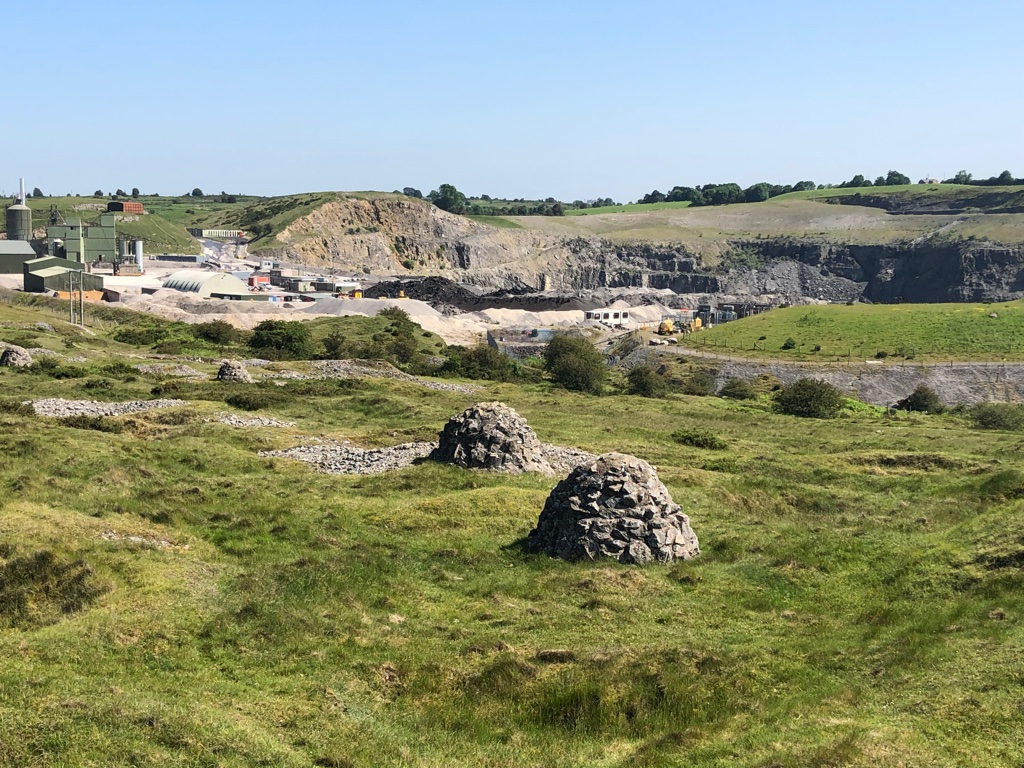
Project work in this area arises from ethnographic, historical and archival research in the county of Flintshire in northeast Wales, and looks specifically at the region’s rural-urban fringes, edgelands, and post-industrial landscapes. Drawing on ethnographic, archival, and historical methods, I explore how lives and environments have been shaped by limestone, lead, coal, water, and subterranean infrastructures. Particular attention is given to historical lead mining sites in Flintshire and the drainage tunnels, underground water flows, and the socio-technical assemblages that reorganised subsurface environments. This work traces how underground spaces became sites of power, dispute, and environmental concern, and how they continue to shape contemporary imaginaries of land, water, and industrial legacy.