In addition to my academic writing, I have published two collections of poetry — Where Time Hangs and Surfaces Slipping Beneath. These have emerged from reflections on landscape, weather, history and the traces that people leave behind. I am currently working on two further collections.
My poems are often rooted in particular places: estuaries, coastlines, forests, hills, abandoned industrial sites, villages, pathways, mines, marshes and shorelines. I am interested in how places carry stories across generations and how fragments of the past remain present in the textures of everyday environments.
Many of my poems begin in observation. A line of stones exposed at low tide. The remains of an old track crossing a moor. A ruined building half-hidden by vegetation. A patch of lichen on a wall. A forgotten place name. Points of connection between past and present, between human lives and wider ecological processes, between memory and materiality.
I am also drawn to folklore, local histories and vernacular traditions. I am interested in how the stories attached to places persist and evolve, and how they continue to shape relationships with landscape. Family history and ancestry are also important themes. Some poems explore memories and the subtle ways in which lives continue through gestures, habits and stories. I am interested in what remains after people are gone and how traces of previous generations become part of the landscapes we inhabit.
My poetry is an attempt to understand relationships: between people and places, between memory and landscape, between past and present, and between human lives and the more-than-human worlds that surround us. It is a practice of observation, reflection and imagination. It asks what remains, what disappears, and what continues to shape us long after it seems to have vanished.
If there is a common thread running through my work, it is an interest in traces. Traces of lives lived before us. Traces of ecological and industrial change. Traces carried in stories, landscapes, weather and memory. Poetry offers a way of following those traces and discovering where they might lead.
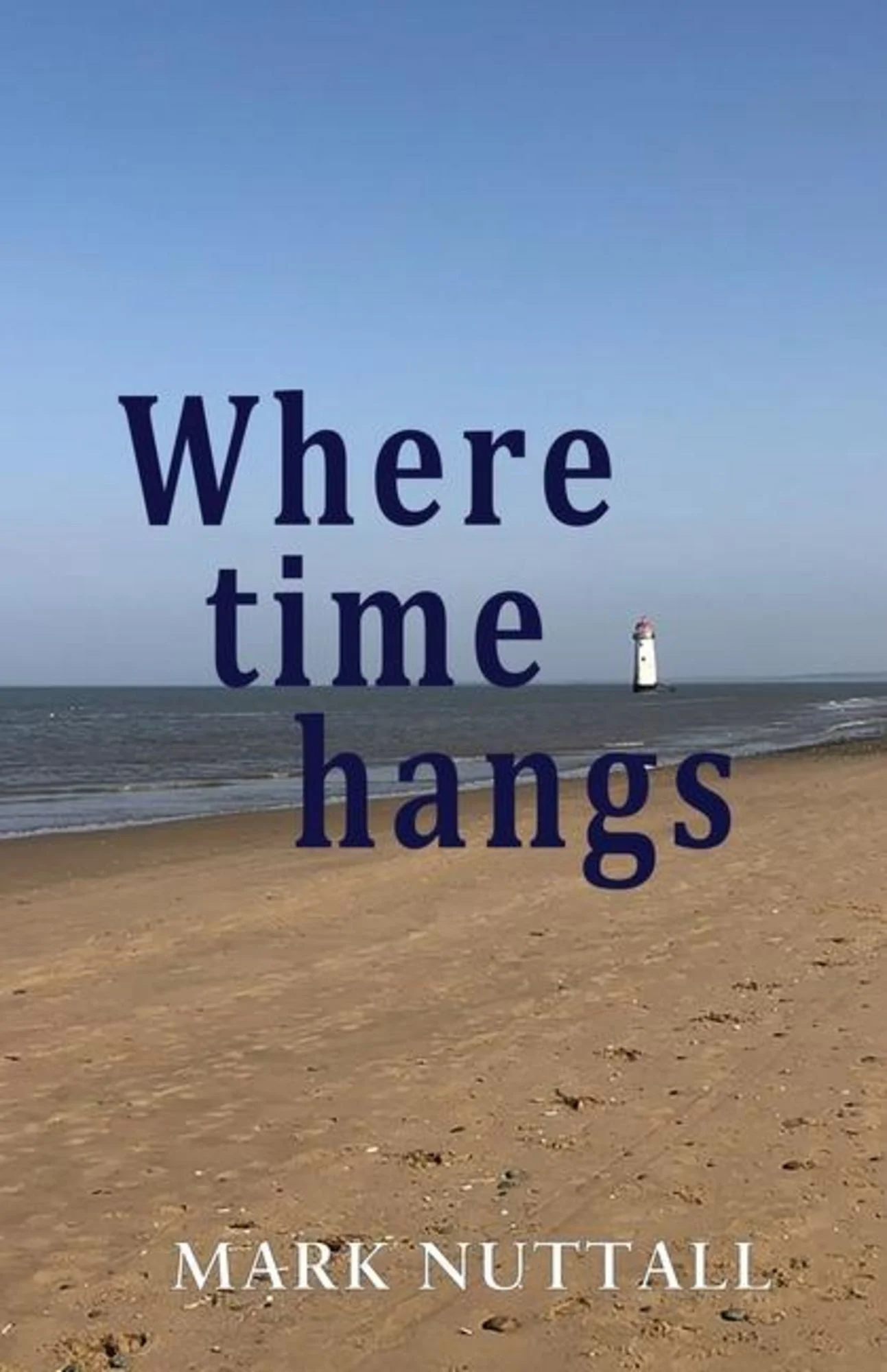
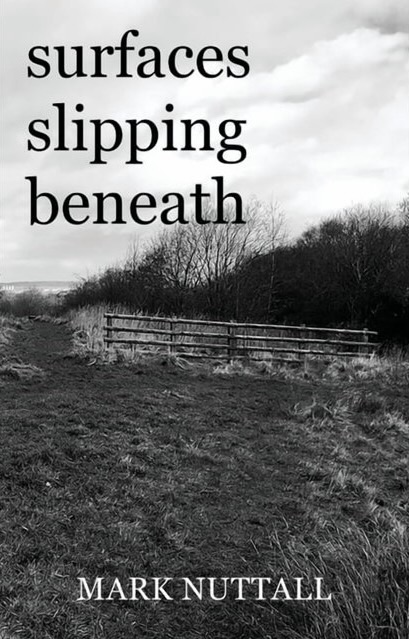
My books are available through online bookshops such as Waterstones, Foyles, Barnes and Noble, and Amazon
This page is somewhere I can jot down notes that offer glimpses of the landscapes, histories and observations that inform my writing. Fragments from the same terrain.
Dee Estuary
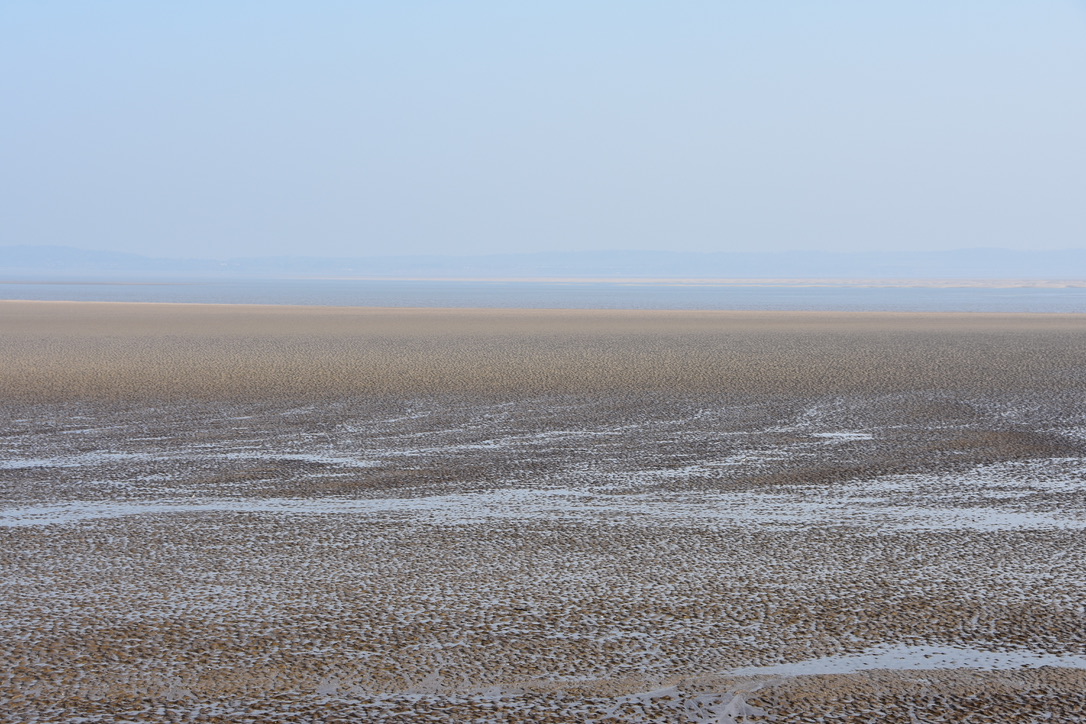
The Dee Estuary, between England and Wales is neither river nor sea. It occupies the uncertain ground between them.
Here the waters of the River Dee spread out and slow, mingling with the tides of Liverpool Bay before entering the Irish Sea. What appears from a distance to be open water is often mud, sand, silt, and marsh. At low tide, the estuary seems to withdraw into itself, revealing vast expanses of foreshore and sandbank. The land appears to emerge from the water. Hours later, the tide returns, filling channels and creeks, erasing pathways and reshaping the boundaries between solid ground and liquid space.
It is a landscape that unsettles certainty. The shoreline is never entirely fixed. Water occupies land; land rises from water. Distances become difficult to judge. Mist can obscure familiar landmarks. Quicksands lie hidden beneath apparently firm surfaces. The estuary can feel empty and expansive, yet also strangely enclosed.
The names scattered across charts and maps hint at older relationships with this shifting environment: Dawpool Bank, Mostyn Deep, Welshman’s Gut, Salisbury Bank, Wild Road. They speak of navigation, labour, risk, and passage through an ever-changing landscape of channels and shoals.
For centuries, the estuary has also been reshaped by human intervention. Embankments, drainage schemes, reclaimed land, ports, industries, and flood defences have all sought to impose permanence upon movement. Yet the Dee remains fundamentally dynamic. Tides, currents, storms, and sediment continue to rearrange its surfaces.
Some of my poems have been inspired by the estuary. It is a place of thresholds and crossings, of emergence and disappearance. It is never quite one thing or another. It exists in the space between categories, between land and sea, England and Wales, past and present.
Halkyn Mountain
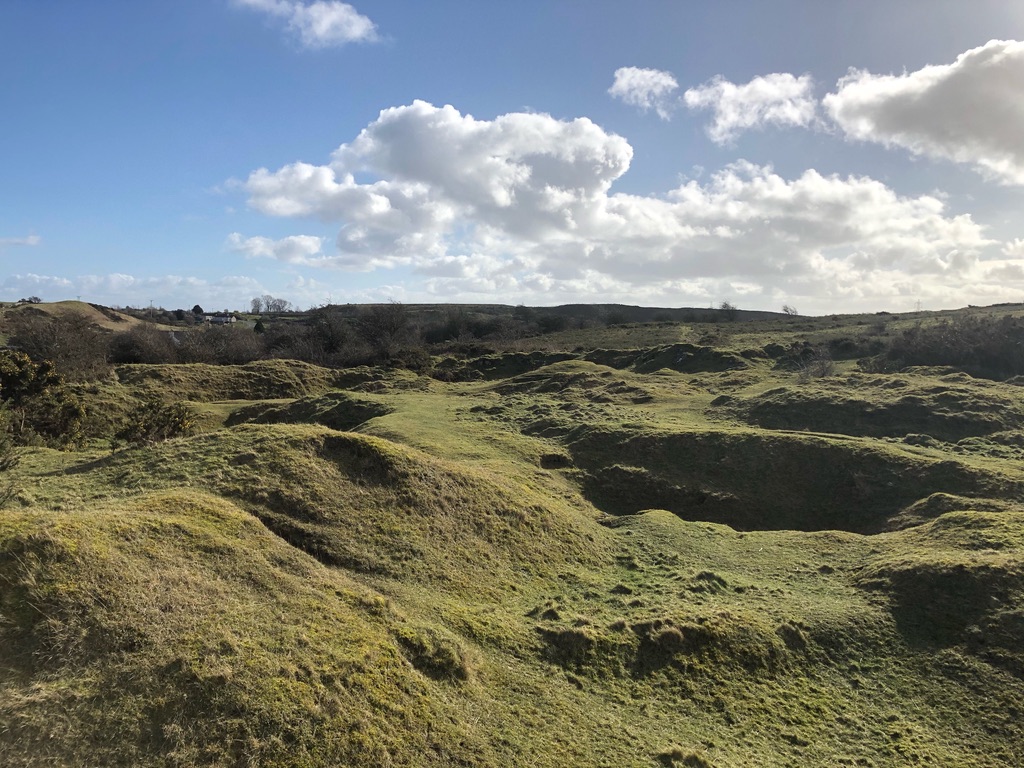
Halkyn Mountain in Flintshire is often described as an upland common. From a distance it appears open and expansive: rough grassland, limestone outcrops, heather, gorse, scattered ponds, and wide views stretching towards the Dee Estuary and the Irish Sea. Yet beneath the surface lies another landscape entirely.
For centuries, people came here searching for lead. They dug shafts, drove levels into the rock, sank engines, diverted water, and built smelting works. By the nineteenth century, this was one of Britain’s most important lead mining districts. The industry has long since disappeared, but its presence remains inscribed across the mountain.
The signs are everywhere once you learn how to look. Depressions in the ground. Collapsed shafts. Ruined walls. Strange humps and ridges. Pools occupying former workings. Lines of stone marking forgotten routes. The surface bears the memory of what happened below.
What fascinates me about Halkyn Mountain is its historical and imaginative depth. It is a place where stories, materials, ecologies, and memories intersect. To walk here is to have an encounter with different worlds. Human histories overlap with geological processes. Industrial remains are reclaimed by vegetation. Water disappears underground only to emerge elsewhere. The boundaries between nature and culture blur. To walk here is to reflect on how landscapes are made. Weather, extraction, memory, conservation, animal movement, and human activity all contribute to its ongoing formation.
It is a place of surfaces and depths. Even now, decades after the last lead mine closed, the mountain continues to reveal traces of the worlds that shaped it.